

Understanding interconnected risks for business resilience
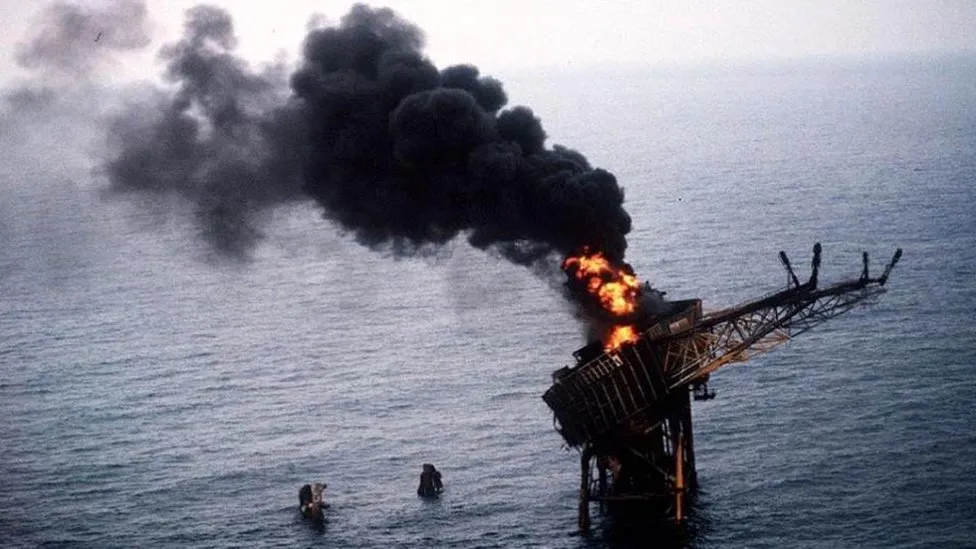
The Cullen report that followed the disaster was two volumes and over 400-pages long. It concluded that systemic failings had occurred at an institutional level, with decisions made for commercial gain against a backdrop of minimal regulation. Safety was allowed to be compromised in a desire to extract maximum profit.
There were multiple contributing factors but in the final analysis it all came down to human error and poor communication. An incoming shift manager didn’t get a paper report from a departing shift manager about the state of a vital condensate pumping valve, which led to a sequence of events that resulted in 165 lives being lost.
Piper Alpha and why understanding risk matters.
Our organisation was born out of the 1988 Piper Alpha disaster. I remember it clearly. The images of the burning oil platform were horrific.
"The lack of awareness of the removal of the valve resulted from failures in communication of information at shift handover earlier in the evening and failure in the operation of the permit to work system in connection with the work which had entailed its removal.”
The Public Inquiry Into The Piper Alpha Disaster, Volume One, P.1
It is still the UK’s biggest offshore oil rig disaster and one of the world’s largest insured man-made catastrophes.
Our founders saw this tragedy unfold and decided they wanted to prevent similar disasters. They used their experience as ex Royal Marines to form a company to reduce risk in the oil and gas industry – by building emergency and crisis response capabilities and helping people and organisations perform when it matters.
Berwicks has grown since then, in size and scope. Our team is incredibly experienced. We’ve seen it all, working in disaster relief, the Armed Forces and emergency
.jpeg)

© Berwicks 2026.
Berwicks is registered with Companies House at
6 Logie Mill, Beaverbank Business Park, Edinburgh,
Lothian EH7 4HG in United Kingdon.
Company Number SC257822.
Website designed and built by Transform Comms