
At Berwicks, we don’t just help you manage risk,
we reshape how you see it.
Evidence, not intention. Tested plans, exercise records, named decision makers and documented competence. Berwicks is an Approved Learning Centre through Skills for Justice, so training is formally accredited and competence is recorded. One client's risk review produced a materially improved risk profile and a $4m reduction in the annual insurance premium. Scrutiny has tightened considerably since publication of the Grenfell Tower Inquiry in 2024.
Accountability for resilience sits with the board. Delivery sits with the business. Difficulty arises when it is delegated to a single manager, documented and never tested. Berwicks works from the boardroom to the frontline, establishing clear decision rights, then developing the executive disciplines that make resilience effective: shared situational awareness, constructive challenge and timely escalation.
The Cyber Security and Resilience Bill applies to essential services, critical national infrastructure, digital providers and their critical suppliers, introducing stronger incident reporting duties and closer scrutiny of supply chains. Much of the detail will follow in secondary legislation. Berwicks prepares boards by testing how they would report, decide and communicate during a live cyber incident.
Government reports that serious cyber attacks on business supply chains are rising sharply and that the threat remains high. Begin by establishing which suppliers the business cannot operate without, then test the consequences of losing one. Berwicks exercises these scenarios with executives and third parties, so the response addresses contracts, cash flow and customers alongside technical recovery.
Plan on the assumption that power, networks and every dependent system are unavailable, then establish how the business operates manually and communicates without the network. Berwicks has assessed more than 1,000 critical systems across a multi site nuclear fleet and understands where such failures cascade. We map the dependencies, develop the alternatives, then test them under pressure.
Current UK government advice uses 72 hours as a baseline for households. It is a reasonable first test of commercial preparedness. Could the business operate for three days without power, networks, payment systems or a critical supplier? Berwicks examines this with leadership teams, identifies the points of failure and develops workable alternatives before they are needed.
The National Risk Register sets out the risks government plans against, including cyber attack, pandemics, flooding and loss of power supply. It is a planning prompt rather than a plan. Berwicks establishes which of those risks would interrupt your operations, then develops scenarios your executive team can rehearse, calibrated to your sites, workforce and supply chain.
The UK Government Resilience Action Plan states that the most meaningful mitigations are often taken outside government. The responsibility therefore sits with individual businesses. Berwicks provides an independent resilience and crisis management review, assessing your arrangements against the risks that could materially affect the business, then delivering ranked recommendations and a proportionate improvement plan.
The Be Ready campaign, launched in October 2026, asks households to hold three days of essential supplies. The UK Government has made clear that the same question applies to businesses. Berwicks helps leadership teams translate that principle into specifics: which services the business must sustain, for how long, and who holds decision authority when critical infrastructure fails.
That you become dependent on them, that they never learn how the place really works, and that they tell you what you want to hear. Berwicks agrees the handover back at the start, which deals with the first two before they happen.
A few weeks to work out what is really wrong. Longer to fix it, and that depends on what you find. Anyone giving you a number before they have looked is guessing. Berwicks starts with a short review so you get a real answer before committing.
It depends on how much of the running you hand over and for how long. One manager embedded part time is a very different cost to a team holding the whole thing. Berwicks scopes what is being taken on first, then prices it.
Around the plant, not through it. Access is limited, safety comes first and outages set the timetable. The plan follows the site's calendar. It does not set it. Berwicks has worked on operating nuclear, defence and COMAH sites for over twenty five years.
Rarely because a workstream failed. Usually because two of them needed each other and neither knew it. Every workstream reports green and the programme still slips. Berwicks manages the space between workstreams, which is where most programmes are lost.
You are. Accountability does not transfer. What transfers is the work of running it, and the responsibility for telling you the truth about where it stands. Berwicks reports what is actually happening, including when that is not what you wanted to hear.
A project delivers one thing. A programme delivers several that depend on each other, so the job is managing what happens between them. A PMO does neither. It reports on both. Berwicks runs programmes rather than reporting on them.
You keep the plan and lose the reasoning. Why things were done that way, what was already tried, who to call before anything moves. The next person spends months working it out again. Berwicks picks programmes up mid-flight and rebuilds that picture quickly.
When the programme has got bigger than the person running it, or when the person accountable for delivery also runs the operation it disrupts. Berwicks takes on the running of it so the accountable person keeps the decisions without carrying the load.
Dates keep moving. The same risks sit there month after month. Nobody decides anything. If you cannot tell what has changed since the last report, that is your answer. Berwicks gives you an honest read on where a programme actually is.
Inadequately trained commanders are more likely to make poor decisions under pressure, communicate unclearly and allow an incident to escalate, with consequences that can include greater harm, higher costs, reputational damage and regulatory scrutiny.
This depends on starting capability, team size and how frequently training and exercising can be scheduled, but most organisations build a genuinely competent, tested command team over a structured programme spanning several months to a year. We can advise on a realistic timeline once we understand your starting point.
Cost depends on scope, including the number of participants, command levels covered, scenario complexity and whether assessment or accreditation is included. We provide a proposal once we understand your requirements, following an initial discussion or capability review.
Most high-hazard organisations exercise plans at least annually, with more frequent practice for command roles or where regulatory requirements specify a minimum frequency. We can help set an exercise cycle appropriate to your risk profile and any applicable regulatory expectations.
A course develops knowledge and skills; a tabletop exercise tests decision-making and coordination through discussion of a scenario; and a live exercise tests the full response, including physical actions, communications and facilities, under realistic time pressure. Each serves a different purpose and they are most effectively used together in sequence.
Skills for Justice accreditation means our incident command training has been independently assessed against recognised sector standards for content, delivery and assessment. It gives clients confidence that the programme meets an established external benchmark rather than an internally defined one.
Strategic, Tactical and Operational command is the terminology that aligns with JESIP - the Joint Emergency Services Interoperability Principles. Established in 2012, JESIP is the UK's multi-agency command framework that is also adopted across many high hazard, complex industries.
Training develops the distinct skills and competencies needed at each level of incident command. Each level is trained separately because the decisions, information and pressures involved are different. JESIP replaced the previously used Gold, Silver and Bronze terminology.
Operational (Bronze) command manages the immediate response at the scene; tactical (Silver) command coordinates resources and priorities across the wider incident; and strategic (Gold) command sets overall direction, manages external stakeholders and protects the organisation's long-term interests. Each level needs to understand its own remit and how it interfaces with the others.
Training is properly embedded when your team can demonstrate command, coordination and decision-making under realistic pressure, not simply when a course has been completed. We assess this through structured exercises and independent evaluation against defined performance criteria, so you have evidence rather than assumption.
This depends on role, turnover and how frequently real incidents occur, but most high-hazard organisations need refresher training and exercising at least annually, with more frequent practice for command roles. We can help set a training and exercise cycle appropriate to your risk profile.
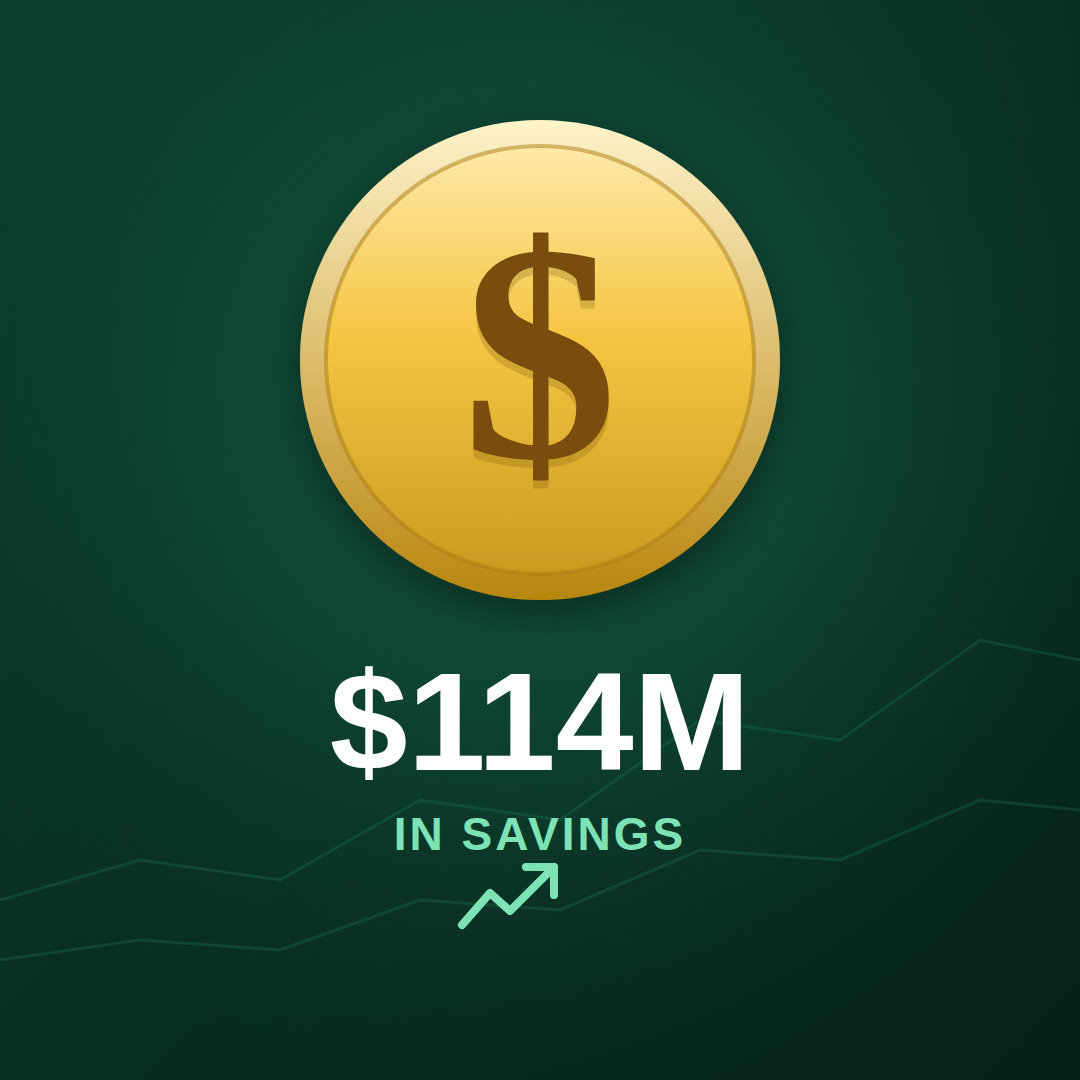
Faster recovery, less cost and fewer decisions taken twice. One Berwicks client restored production in 14 days rather than months, avoiding an estimated $114m of unnecessary spend. A risk review at a Trinidad petrochemical plant cut $4m from the annual insurance premium. The same habits of clarity, pace and challenge make the business better on ordinary days too.
Assume it becomes an operational and commercial crisis, not a technical one. Plan for degraded systems, manual workarounds, communications that do not depend on the network, and early Regulator engagement, then rehearse with the executives who will carry it. Berwicks supports the UK nuclear estate, energy and defence clients, and designs cyber simulations that test decision making when the usual tools are gone.
Keep senior leaders away from the technical fix and on the consequences. Cash, customers, contracts, supply chain, Regulators and reputation all move faster than the incident itself. Berwicks works alongside leadership teams before, during and after events, holding governance through recovery where value is most often won or lost. We have done this in high consequence industries since 1999, boardroom to frontline.
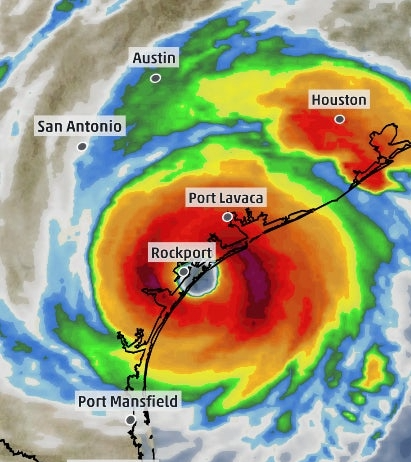
Protect life, stabilise the situation, then move the executive team into strategic mode. Set priorities, agree decision rights, build a reliable operating picture and look past the incident to cash, customers, contracts and regulators. During Hurricane Harvey our embedded team spotted a cash flow event holding up roughly $300m of invoicing. Berwicks supports leaders live, not only beforehand.
One source of truth, a disciplined reporting rhythm, agreed information standards and somebody who owns it. Without that, every function arrives with a different version of events and decisions slow to a crawl. Berwicks builds information management into crisis arrangements then proves it under pressure in exercises. It was central to one client restoring production in 14 days rather than six months.
Practise together. Technical teams fix technical problems. The executive job is strategic priorities, direction and protecting enterprise value while others handle the incident. Berwicks develops Crisis Management Teams for CEOs and boards, then tests them with realistic scenarios, coaching and accredited training. Our consultants have led people through genuine adversity in the military, emergency services and industry, not just in theory.
Deliberately, with a formal handover and a named executive owner. Value leaks when recovery quietly drifts back to business as usual. Berwicks uses a Crisis Management, Incident Management and Recovery Planning Team method: one empowered team, one operating picture and executive governance held right through recovery. A petrochemical client restored production in 14 days against an expected six months, avoiding up to $114m.
Ask what stops revenue, not what sits on the organisation chart. Then trace dependencies across operations, finance, supply chain, third parties and IT, including the ones nobody owns. For a European energy provider Berwicks assessed more than 1,000 critical systems across a multi-site nuclear fleet and engaged over 300 people, exposing cascading dependencies behind billions in annual generation value.
Start with what the business must keep doing, then work back to the people, systems, sites and suppliers behind it. Berwicks joins up crisis and incident management, business continuity and enterprise risk so they behave as one capability rather than three separate documents. We build around the organisation you already have, keep it proportionate, then embed the habits into daily operations.
Against behaviours, not attendance. Speed and quality of decisions, shared situational awareness, escalation, honest challenge and how well functions work together. Berwicks assesses teams during exercises and live events, and our training is accredited through Skills for Justice as an Approved Learning Centre, so you can evidence competence to a Regulator or an inquiry.
Take away the tools they rely on. Berwicks was appointed to run a series of cyber crisis simulations for a high value megaproject, testing response plans plus the alerting and information systems bought specifically for use when networks are down. Cyber turns commercial fast, hitting production, customers, cash and regulators. We test the business decisions, not the firewall.
Start with the risks that could genuinely hurt the business, then design a scenario forcing real trade-offs with incomplete information. No script reading. Berwicks designs and runs tabletop, live and full-scale simulations, applying pressure through media, regulators, staff and third parties. We debrief honestly and tell you what we saw. The friction it exposes is the whole point.
An outside team sees what familiarity hides. Berwicks combine governance analysis, leadership interviews, operational observation and cultural insight to show how risk really works in your business, not how the paperwork says it does. You get an exposure view, a capability assessment, the material gaps and prioritised recommendations. Low cost, light touch and valuable in its own right.
Clear decision accountability, defined roles, escalation triggers, a way to build one operating picture and a route from response into recovery. Responses fail when individuals aren't accountable. Berwicks designs crisis and incident management arrangements from control room roles up to board level, then exercises them to build confidence so people can actually deliver a capable response when it counts.
If your executive team has never made hard decisions together under pressure, your plan is still an assumption. Berwicks runs an independent Risk and Crisis Management Review looking at people, plans, governance, information flow and decision rights, then tests them against your real risk profile. You get an honest view of the gaps and what to fix first. If you are in good shape, we say so.
We reduce uncertainty and move forward with confidence. If you’re navigating risk, resilience or delivery under strain, let’s talk.
About us



© Berwicks 2026.
Berwicks is registered with Companies House at
6 Logie Mill, Beaverbank Business Park, Edinburgh,
Lothian EH7 4HG in United Kingdom.
Company Number SC257822.
Website designed and built by Transform Comms